Y2K TOTS Foundation


Dia-Care Project
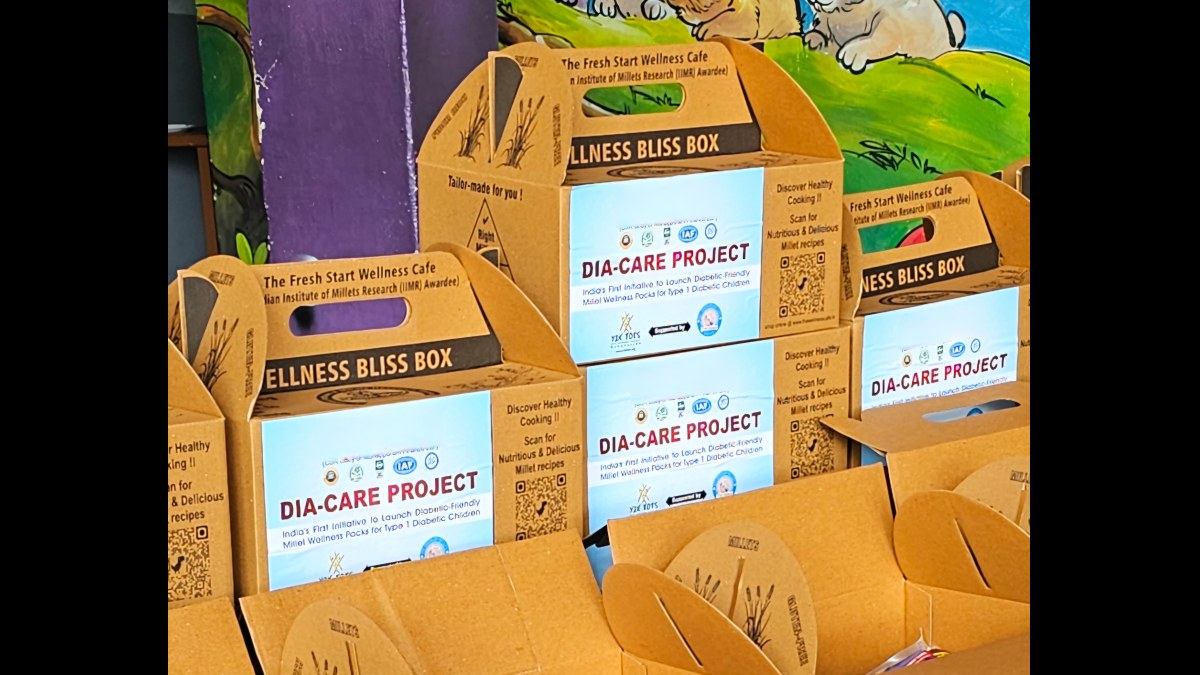
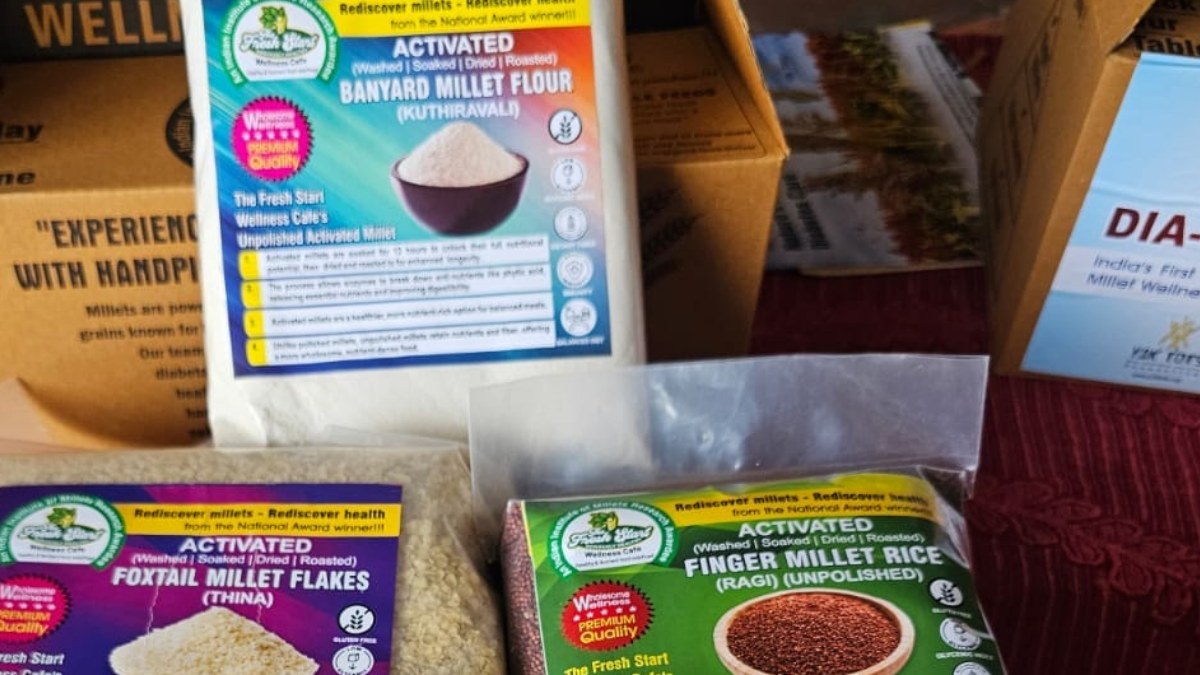
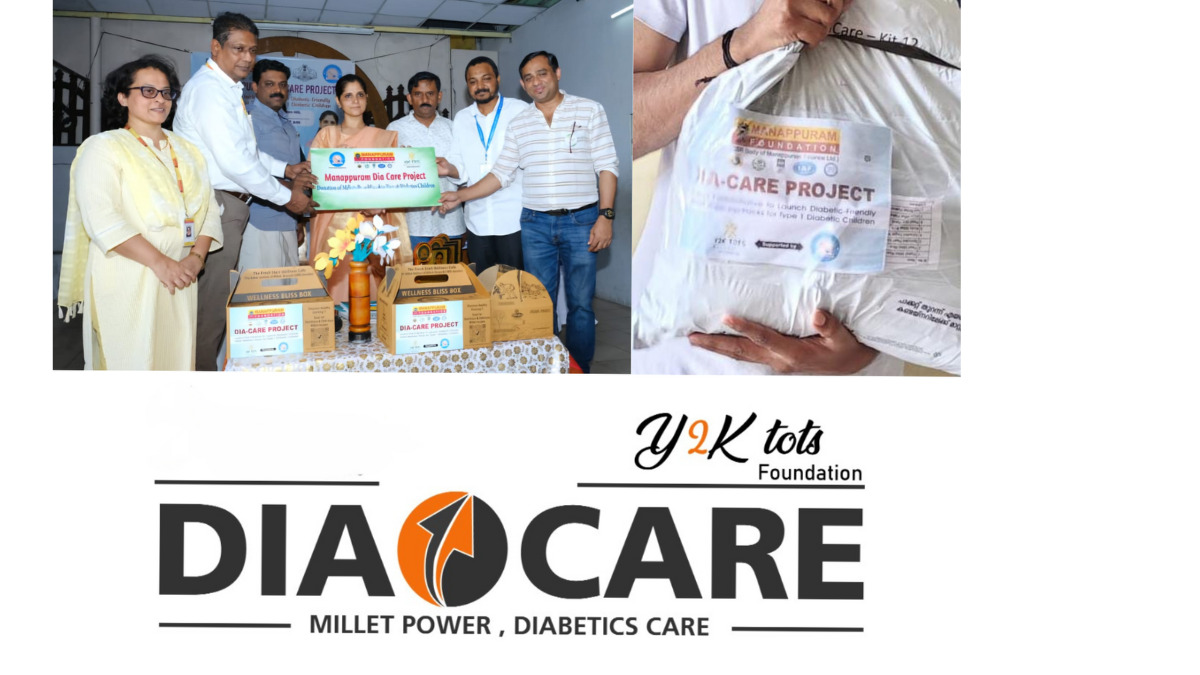
Diabetes Mellitus (T1DM) is an autoimmune disease where the body’s immune system destroys the insulin-producing beta cells in the pancreas. This leads to complete insulin deficiency, making lifelong insulin therapy essential for survival.
In India, around 9 lakh children below 18 years are affected by T1DM. Approximately 80,000 new cases are diagnosed every year among children in the country.
Children with T1DM require regular insulin injections, blood glucose monitoring, and strict dietary control. Without proper management, the average lifespan may reduce by 10 to 30 years, though with good care, many can lead near-normal lives.
Major complications include:
- Diabetic Ketoacidosis (DKA): a life-threatening emergency, often the first sign at diagnosis.
- Retinopathy: damage to the eyes leading to vision problems or blindness.
- Nephropathy: kidney disease due to prolonged high blood sugar levels.
- Neuropathy: nerve damage causing pain, weakness, or loss of sensation.
- Cardiovascular diseases: increased risk of heart attack and stroke in later years.
Many children and families face psychological stress and financial challenges due to the lifelong cost of insulin, monitoring devices, and special dietary needs.
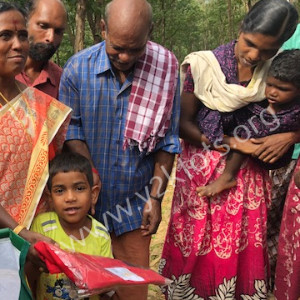
Managing this condition requires not only regular insulin therapy but also a strict adherence to low-Glycemic Index (GI) foods is needed, which can be a challenge for many underprivileged families. Recognizing this critical need,Y2ktots foundation have launched the Dia-care Project in India, a groundbreaking initiative, that focuses on improving the lives of diabetic children through nutrition-centric solutions.
DiaCare Project — A Lifeline for Children with Type 1 Diabetes
The DiaCare Project is a compassionate health initiative of the Y2K Tots Foundation, dedicated to improving the lives of children living with Type 1 Diabetes. Recognizing the lifelong challenges these children and their families face, the project focuses on ensuring nutritional security, awareness, and continuous support through a holistic approach.
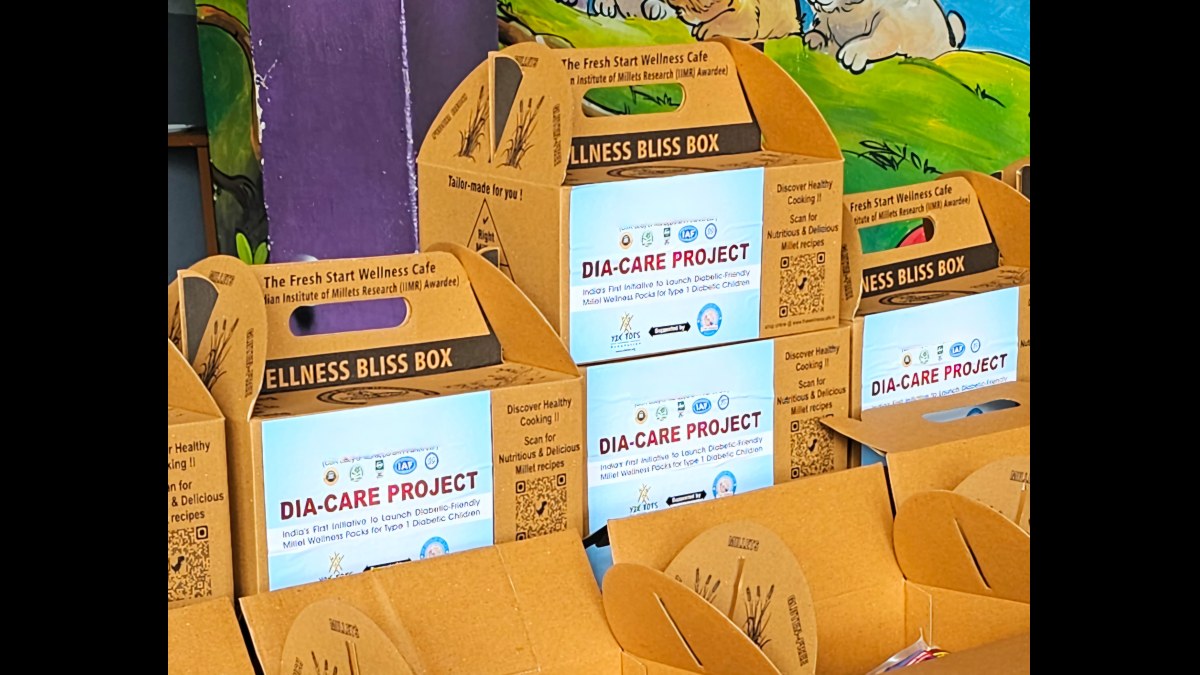
At the heart of DiaCare is the belief that every child deserves the right to a healthy, active, and fulfilling life — regardless of medical limitations. The project provides Millet-Based Nutrition Kits, specially formulated to be low-glycemic, high-fiber, and rich in essential nutrients, helping children maintain stable blood-sugar levels and overall well-being.
In addition to nutrition support, DiaCare also promotes:
-
Awareness and education among parents, schools, and communities about diabetes management and lifestyle care.
-
Periodic health monitoring and follow-ups to track children’s growth and glucose control.
-
Emotional and social empowerment, creating a support network for affected families.